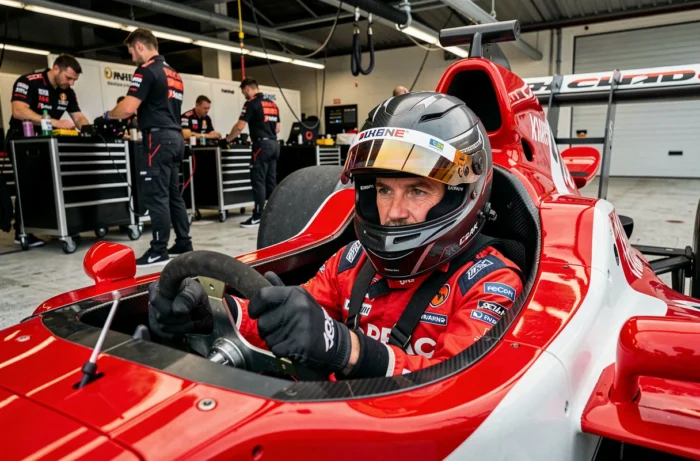
The 2026 season of motorsport is reshaping the contours of competition. New technical regulations in Formula 1, FIA-certified sustainable fuel, the rise of artificial intelligence in race strategies, and the codification of simracing: the changes extend beyond the podiums. They affect engine technology, data collection, and even the definition of what constitutes a car race.
100% Sustainable Fuel in F1: What the 2026 Regulations Really Change
The shift to 100% certified sustainable fuel represents one of the most profound technical breaks in the history of Formula 1. Since the start of the 2026 season, no fossil components are included in the fuel used by the single-seaters.
The FIA mandates that this fuel comes exclusively from renewable raw materials or carbon capture processes: non-food biomass, municipal waste, e-fuels produced from captured CO₂ and decarbonized hydrogen. A full life cycle certification accompanies each batch, with an independent traceability system.
The development costs of these fuels are not accounted for in the budget cap of the teams. This raises a concrete question: teams with an integrated engine supplier (Mercedes, Ferrari, Red Bull via Honda) can absorb this expense more easily than customer teams. On-the-ground feedback varies on the actual extent of this advantage, but the topic fuels discussions among team principals since the preseason.
To follow the evolution of these debates and the results of the Grands Prix, Automobile Sports news compiles highlights week after week.
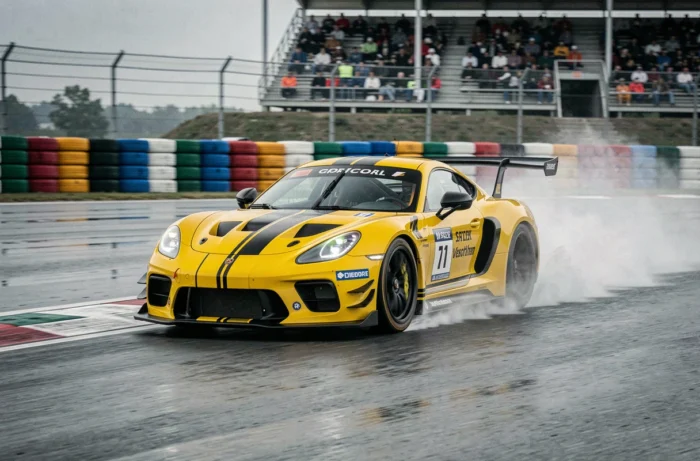
Artificial Intelligence and Real-Time Data: Racing Also Takes Place on the Pit Wall
Data analysis through artificial intelligence is changing decision-making during races. Real-time processing of telemetry, track conditions, and tire wear allows engineers to simulate strategy scenarios in a matter of seconds.
Lenovo has deployed a next-generation data dashboard in partnership with Ducati, focused on talent detection in motorcycle racing. This type of tool illustrates a trend that goes beyond F1: AI is now involved from the pit wall to driver training.
Concrete applications are multiplying:
- Optimization of pit stop windows based on predictive models incorporating tire degradation and local weather
- Automated video analysis of racing lines to correct driving between two practice sessions
- Simulation of complete races before the start, with several hundred scenarios tested in parallel
The question of regulating these tools remains open. The FIA has not yet set a clear limit on the computing volume allowed during a race. The available data does not allow for conclusions on whether strict regulation will emerge before 2027.
Esports and Simracing: The FIA Codifies a New Motorsport Discipline
The FIA published in 2026 specific sporting regulations for its esports championships. The FIA MENA Esports Championship and the FIA Esports Global Rally Tour now have a regulatory framework comparable in structure to that of physical competitions.
This is no longer just a marketing product. Virtual championships incorporate fair play rules, qualification procedures, and codified penalties. The FIA treats simracing as a full-fledged discipline, with dedicated licenses.
The stakes for manufacturers and teams go beyond visibility. Simracing serves as a talent pool: drivers identified in virtual competitions gain access to development programs in real motorsport. The transition from virtual to physical circuit becomes a structured pathway, rather than an isolated publicity stunt.
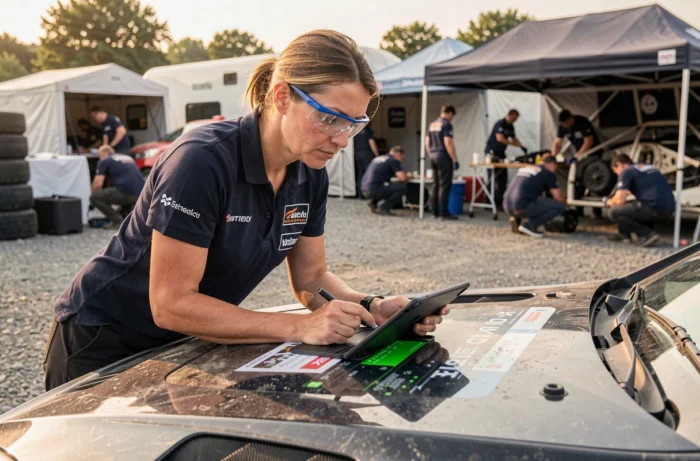
Electric Vehicles in Competition: Between Performance Promises and Range Limitations
Formula E continues its development with its Gen3 Evo generation, while several regional championships test race formats for electric vehicles. The power of electric single-seaters has significantly increased since the early seasons.
The challenges remain identifiable:
- Energy management imposes radically different race strategies compared to thermal vehicles
- The weight of batteries limits gains in pure performance despite increased engine power
- The fast-charging infrastructure on circuits does not yet allow for endurance formats comparable to thermal races
The debate over the respective place of electric and thermal engines in high-level motorsport remains lively. Several industry figures, such as leaders from Pagani or Lamborghini, advocate for maintaining a thermal offering in the supercar segment, a positioning that goes beyond the mere scope of competition.
F1 2027 Calendar and Evolution of the Sprint Format
Formula 1 has unveiled its 2027 calendar: 24 Grands Prix and 10 sprint races are scheduled. Among the new features, a sprint race will take place on the Monaco circuit, a choice that breaks with the tradition of a Monaco weekend centered solely on the Sunday race.
The increase in the number of sprints raises the question of the physical and logistical burden on teams. Mechanics and engineers are facing race weekends at a pace that has never been so intense in the history of the discipline. On the other hand, broadcasters and Grand Prix organizers see this denser format as an opportunity to broaden the audience and multiply moments of sporting tension.
The ongoing 2026 season serves as a laboratory. The sporting results, fan engagement, and economic fallout from the sprints will determine whether this format stabilizes or if it will be revised downwards after 2027.