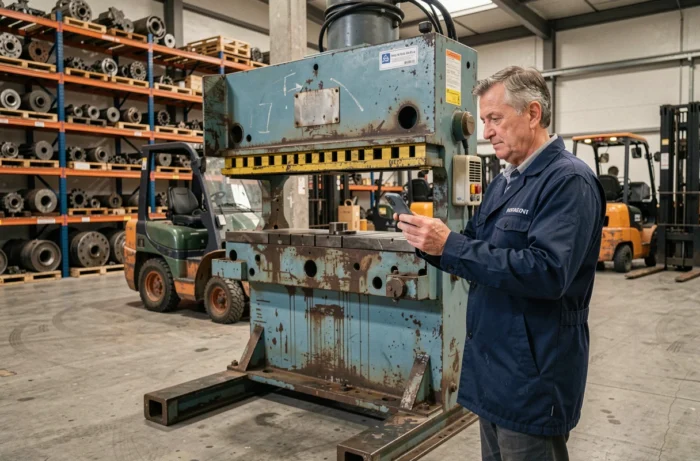
When a production line goes down and replacing a CNC machine takes six months out of nine, one finds themselves looking for an alternative in the second-hand market. Used industrial equipment meets this urgency, but one must still find the right part, in good condition, with a minimum of guarantees. This is where specialized platforms change the game for both buyers and sellers.
Stock shortages and premium second-hand: what has changed in the European market
Since 2025, the European market for used industrial equipment has been experiencing a clear imbalance. Demand is rising sharply in categories such as construction, handling, or transportation, while the number of available listings is decreasing. We are witnessing a genuine shortage market for certain equipment, particularly aerial work platforms, road tractors, and machining machines.
This context pushes buyers to favor nearly new machines. The goal is clear: reduce the risks of downtime and facilitate access to financing. Median prices are rising, but the average quality of the second-hand fleet is improving in parallel.
For sellers, the direct consequence is that well-documented equipment (maintenance history, year of commissioning, detailed photos) sells faster and at a better price than it did three years ago. To navigate this tense context, a structured marketplace like placedesindustries.com allows for centralizing the offer and directly connecting industrial sellers and buyers, without going through opaque intermediaries.
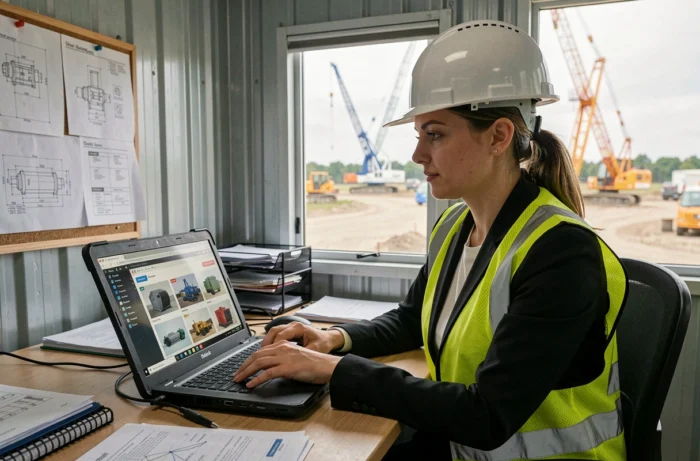
Buying a second-hand machine: the checks no one does for you
On the ground, it is observed that many buyers focus on the displayed price and the brand. This is a starting point, but not a sufficient criterion.
Mechanical condition and technical documentation
Before validating a purchase, it is essential to demand the maintenance log. A CNC production machine or a lathe without a maintenance history is a gamble. Feedback varies on this point, but experienced professionals systematically request periodic inspection reports and invoices for replaced parts.
- Check the actual operating hours (hour meter, not just the seller’s statement)
- Request CE compliance certificates and software updates for CNC machines
- Ensure that original tools and accessories are included, or estimate their replacement
- Inspect the condition of safety components (emergency stops, guards, sensors)
Industrial equipment with complete documentation resells better afterward. Buying well-documented is also preparing for resale.
Logistics and real acquisition cost
The catalog price is only part of the budget. Dismantling, transport (sometimes in exceptional convoy for large machines), commissioning on-site, and electrical or hydraulic connections add a significant portion to the total cost.
On specialized platforms, some sellers offer dismantling and delivery. Others do not. Clarifying these points before signing avoids unpleasant surprises.
Selling second-hand industrial equipment: increasing the visibility of the listing
For sellers, the challenge is not to post a listing online. It is to make it visible to the right buyers, often maintenance managers or production directors looking for specific equipment.
Writing a listing that triggers contact
An effective listing on a second-hand machine sales platform does not resemble a general classified ad. Industrial buyers filter by category (machining, textiles, wood, plastics), by brand, and by year.
- Provide the exact manufacturer’s designation, model, and year of manufacture
- Add photos from multiple angles, including nameplates and the interior of the work area
- Specify if the machine is powered and can be tested on-site before removal
A listing with detailed photos and a maintenance history generates significantly more inquiries than a simple text description.
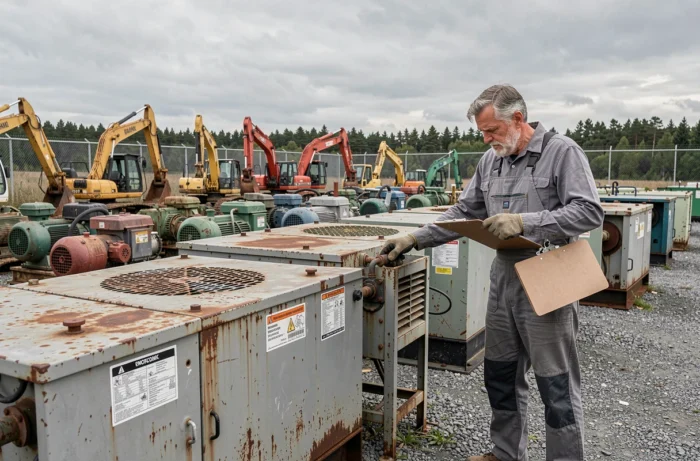
Industrial reuse as a selling point
Reuse is gaining ground in the French industry, driven by regulatory obligations and a genuine economic logic. Selling equipment rather than scrapping it recovers value and reduces the company’s carbon footprint. Specialized players now offer impact assessments in euros and avoided CO2 to support this approach.
Choosing the right second-hand industrial equipment platform: operational criteria
Not all platforms are created equal. Some operate through auctions, while others use fixed-price listings with direct negotiation. The choice depends on the type of equipment and the timeframe.
For production machines (lathes, milling machines, presses, textile equipment), a marketplace with filters by category, brand, and geographical location saves considerable time. Availability alerts have become an active sourcing tool, especially when supply is dwindling in certain segments.
A often-overlooked criterion: the quality of seller support. A platform that verifies listings, facilitates connections, and secures transactions reduces risk for both parties. Conversely, a simple ad aggregator without moderation exposes users to vague descriptions or machines that have already been sold.
The second-hand industrial market has structured itself in recent years around platforms capable of handling both the unit sale of a compressor and the complete liquidation of a workshop. The challenge is no longer finding a listing, but securing a purchase in a tight market.