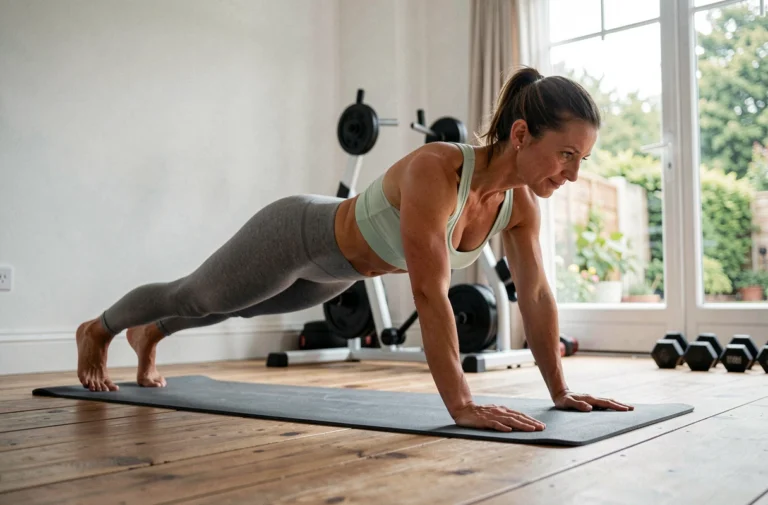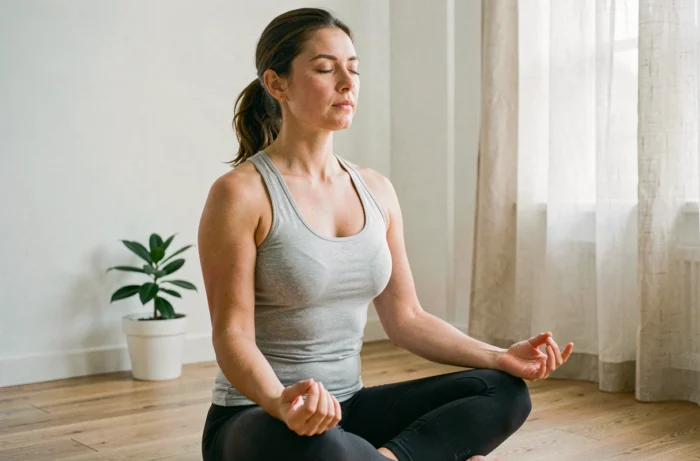
You breathe about twenty thousand times a day without thinking about it. Most of these breaths remain shallow, limited to the top of the chest. As a result, your lungs only fill partially, and the oxygen delivered to your cells decreases. A few simple adjustments in your breathing can change the game, without any equipment or complex programs.
Nasal breathing: the underutilized filter
Have you ever noticed that you breathe through your mouth when you are focused in front of a screen or rushing up the stairs? This reflex deprives your lungs of a major advantage.
The nose is not just for smelling. It filters, warms, and humidifies the inhaled air before it reaches the bronchi. The nasal mucosa retains some fine particles, allergens, and dust. The mouth, on the other hand, allows everything that the nose would have blocked to pass through.
Specifically, inhale through your nose and exhale slowly, preferably through your nose as well. During light exertion (brisk walking, cleaning), maintain this habit for as long as possible. If you need to open your mouth to exhale, it’s a signal: the intensity exceeds your current breathing capacity. Slow down a bit, then resume.
A comprehensive guide detailing the keys to breathing on Atom News helps structure this habit over the weeks.
Breathing exercises to better oxygenate your lungs

A breathing exercise does not need to last twenty minutes. Two to three minutes are sufficient, as long as you engage the right muscle: the diaphragm.
Diaphragmatic breathing: the basic gesture
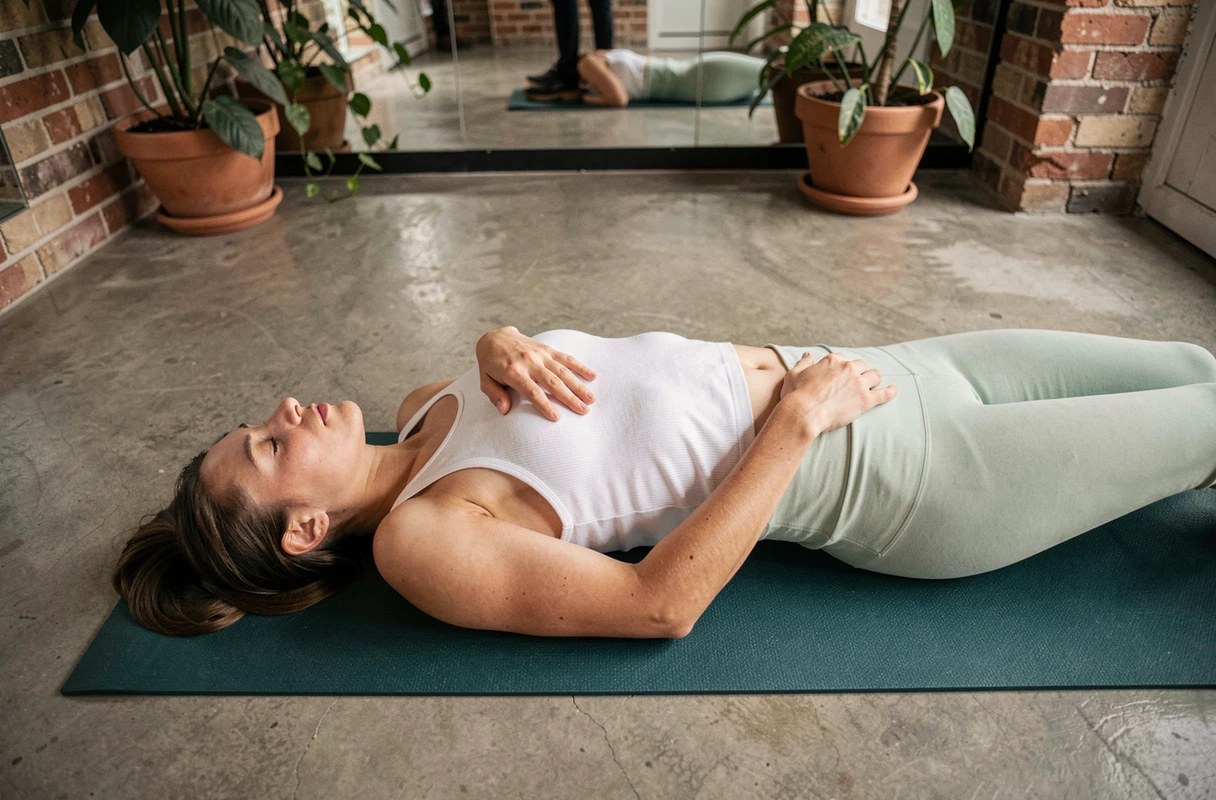
Place one hand on your belly and the other on your chest. Inhale through your nose while expanding your belly (the hand on your belly rises, the one on your chest barely moves). Exhale slowly, letting your belly deflate. This movement forces the air to descend to the base of the lungs, where gas exchanges are most effective.
The diaphragm is the main engine of breathing. When it contracts, it pulls the lungs down and increases the volume of the chest cavity. When it relaxes, it rises and expels carbon dioxide. Breathing that remains in the upper chest hardly engages this muscle.
Extended exhalation to calm the nervous system
Inhale for four seconds, then exhale for six to eight seconds. A longer exhalation than inhalation activates the parasympathetic nervous system, which reduces heart rate and stress levels. You can practice this exercise sitting at your desk, on public transport, or before sleeping.
Three minutes of extended exhalation reduce noticeable muscle tension in the shoulders and jaw. The benefit is immediate, with no equipment required.
When to stop
Any breathing exercise should remain comfortable. If you feel dizziness, tingling in your fingers, or chest discomfort, stop and resume normal breathing. In case of unusual or persistent shortness of breath, medical advice is necessary before continuing.
Adapting your breathing to physical exertion
Climbing stairs, carrying groceries, walking on an incline: these situations can leave you breathless because the demand for oxygen suddenly increases. Rapid mouth breathing sets in, your breath shortens, and fatigue arrives more quickly.
A simple technique is to sync your exhalation with the effort phase. When you step up a stair or lift a bag, exhale. When you relax, inhale. This rhythm prevents breath-holding, a common reflex that increases pressure in the chest and fatigues the respiratory system.
Breaking up the activity also helps. Instead of climbing three flights of stairs in one go while holding your breath, take a break at a landing. Take two or three deep nasal breaths. Your heart rate will decrease, and the next ascent will feel less strenuous.
Breathing training during sports works on the same principle. While running or cycling, matching your breathing rhythm to your stride or pedal cadence stabilizes oxygen intake and delays breathlessness.
Indoor air quality and lung health
Your lungs do not function in isolation. The air you breathe at home contains pollutants you cannot see: volatile organic compounds (released by furniture, paints, household products), dust, mold, and cooking fumes.
Here are some actions that can concretely reduce this pollutant load:
- Open windows at least twice a day, even in winter, for about ten minutes. Air renewal dilutes the pollutants accumulated in closed rooms.
- Vacuum regularly on carpets, rugs, and textiles that trap allergens and fine particles.
- Avoid scented candles, incense, and air fresheners, which release irritating substances for the bronchi.
- Control the humidity in the room: air that is too humid promotes mold, while air that is too dry dries out the mucous membranes. A level around half of the hygrometric range is suitable for most homes.
Indoor air is often more polluted than outdoor air, even in cities. Ventilation remains the most effective and least expensive action to protect your respiratory system on a daily basis.
Posture and muscle relaxation: the forgotten angle of breathing
A slumped posture compresses the diaphragm. Shoulders rolled forward and a hunched back mechanically reduce the volume available for lung expansion. The result: each inhalation mobilizes less air.
Sit up straight without tensing. Shoulders drop, the sternum rises slightly, and the chin remains parallel to the ground. Relaxing the neck and shoulder muscles frees the diaphragm and allows for greater respiratory amplitude. This simple postural adjustment, repeated several times a day, improves the quality of each breathing cycle without additional exercise.
People who spend several hours sitting should get up regularly. A few steps are enough to reset posture and restart deeper breathing.
Oxygenating your lungs does not require an expensive program or technical skills. Breathing through the nose, engaging the diaphragm, adapting your breath to exertion, airing out your home, and monitoring your posture form a set of accessible reflexes. The hardest part remains remembering to do them until these actions become automatic.