This season’s fashion trends are reflected both in market figures and on the runways. The French clothing market is experiencing a period of tension, with a decline in store traffic and a drop in sales volume, according to Accio. This contraction is pushing brands towards more readable collections and more thoughtful purchases, which directly reshapes the silhouettes offered in stores and online.
Key Materials and Silhouettes: Comparative Table of the Season
Several strong signals emerge from recent analyses. Rather than listing dozens of micro-trends, here are the axes that truly structure the offer this season.
| Trend Axis | Concerned Pieces | Preferred Materials | Style Register |
|---|---|---|---|
| Relaxed Chic | Deconstructed jackets, wide trousers | Crisp poplin, fluid wool | Office, outings |
| Reworked Denim | Washed jeans, denim jacket | Faded denim, raw denim | Streetwear, casual |
| Asymmetrical Drapes | Draped dress, asymmetrical top | Jersey, crepe, satin | Evening, events |
| Reliefs and Textures | Textured sweaters, quilted skirts | Waffle knit, lightweight tweed | Autumn-winter, mid-season |
This table highlights a common thread: comfort remains central without sacrificing style. Jackets are becoming less strict, trousers are wider yet sharp. Texture and relief are now as important as cut.
To follow the evolution of these axes over the weeks, detailed analyses are available at https://www.fashion-blog.fr/ with regular breakdowns of current collections.
Denim and Relaxed Chic: Two Trends Redefining Everyday Look
Washed denim is no longer limited to classic jeans. Brands are offering complete outfits (jacket, trousers, skirt) in worked fabrics, with faded finishes or raw hems. Denim now functions as a material in its own right, not just as a basic wardrobe staple.
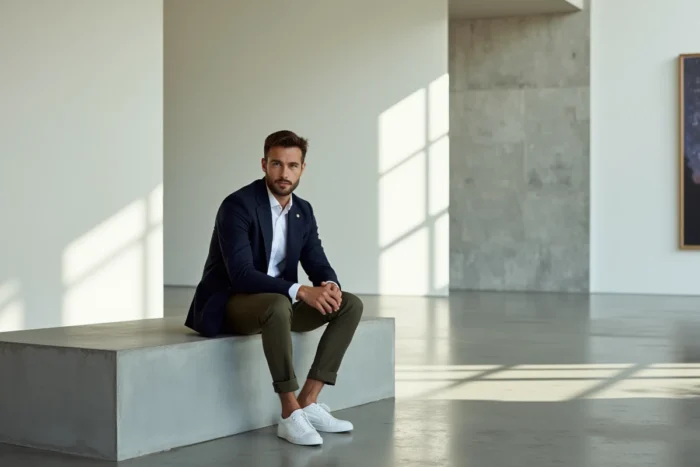
On the other hand, relaxed chic appeals to those seeking a polished look without rigidity. The difference from classic casual lies in one detail: the sharpness of the materials. A well-ironed poplin, wide trousers with a defined crease, a soft jacket worn open.
Combining These Two Registers in One Look
The mix of denim and relaxed chic produces interesting results. A wide jean worn with a deconstructed linen blazer, for example, creates a balance between relaxation and structure. The key lies in the choice of colors: neutral tones (beige, off-white, cream) channel the raw aspect of denim.
- Light washed denim trousers paired with a white poplin top for a strong material contrast
- Raw denim jacket worn over a draped jersey dress, breaking the rigidity of denim with the movement of the fabric
- Wide pleated jeans with minimalist sneakers and a textured sweater for a mid-season autumn look
Second Hand and Sustainable Fashion: A Reflex Impacting Trends
Second hand is establishing itself as a growth driver online in fashion, particularly among young consumers. This phenomenon goes beyond mere ecological gestures: it changes the way trends circulate.
Vintage pieces from the 2000s remain highly sought after on resale platforms. This partly explains why certain silhouettes (low-rise, cargo cuts, asymmetrical tops) persist season after season. Trends no longer only descend from runways to the streets, they also rise from second-hand markets to new collections.
What This Changes for Building Your Wardrobe
Buying a trendy second-hand piece rather than a new one allows you to test a style without a heavy financial commitment. A draped dress spotted in a thrift store costs a fraction of the boutique price and serves the same purpose in a look.
The decline in sales volume mentioned by Accio confirms this shift: consumers are buying less but seeking more precise pieces. The fashion of this season rewards those who can identify the right materials and cuts, whether the piece is new or not.
Seasonal Colors and Dresses: Choices That Structure a Wardrobe
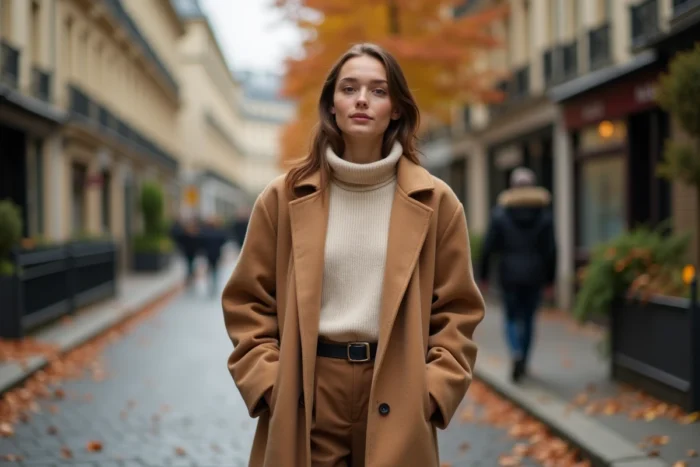
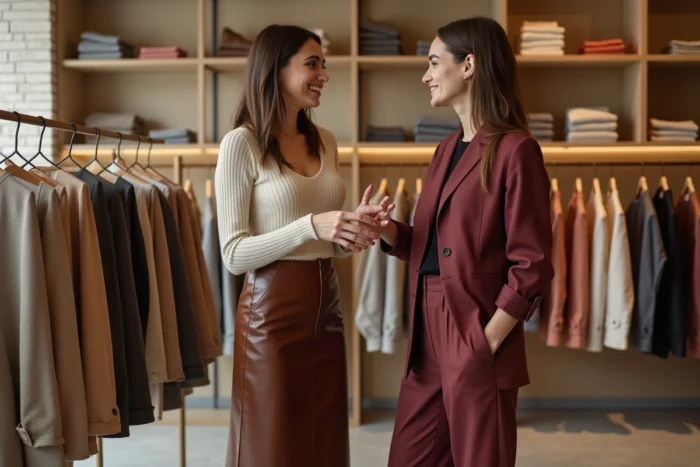
The dominant colors vary according to the season’s timing. For spring, butter tones, off-whites, and sandy beiges take center stage. As autumn approaches, muted burgundies, forest greens, and chocolate browns take over.
The dress remains the most versatile piece in the seasonal wardrobe. However, the type of dress that works has changed. Straight cuts and asymmetrical drapes have replaced ultra-fitted dresses. The movement of the fabric takes precedence over the body’s silhouette.
- Crape dress with side drape, wearable from the office to dinner with a simple change of accessories
- Shirt dress in poplin, adaptable in belted or loose versions depending on the intended style
- Midi dress in textured knit for the autumn-winter transition, worn with flat boots
Streetwear and Jackets: The Outer Layer as a Style Marker
Streetwear continues to influence the current wardrobe, but in a more subtle way than a few seasons ago. Short jackets, technical blousons, and lightweight parkas are worn over more structured outfits. Controlled layering replaces the streetwear accumulation of previous years.
The deconstructed jackets mentioned earlier in the relaxed chic register also function as transitional pieces. A single well-chosen jacket, in a material with texture, is enough to anchor a look in the season without multiplying purchases.
This season’s guide can be summed up in a simple observation: fashion trends reward precision. Choosing a material over a brand, prioritizing a cut suited to one’s morphology over a fleeting fashion effect, investing in a durable piece rather than five disposable items. The market itself, by contracting, pushes in this direction.