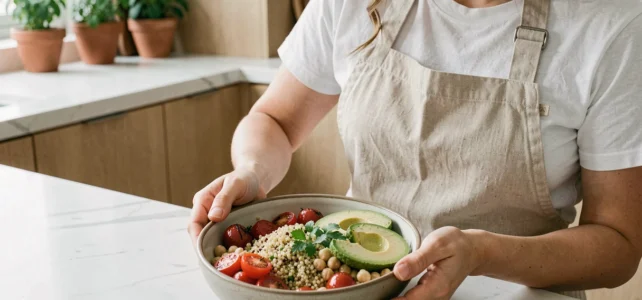
Preparing a light meal is not just about removing ingredients from the plate. The real lever is to choose foods that provide volume, satiety, and flavor without burdening digestion. Seasonal vegetables, lean proteins, and good fats in measured amounts: these three pillars are enough to create light and tasty recipes every day.
The goal is not to count every calorie, but to build nutrient-dense plates. When a dish combines fiber, protein, and well-balanced seasoning, the feeling of deprivation disappears.
Cooking without added fat: the technique that changes the taste of vegetables
Most light recipes fail on one specific point: bland vegetables. Have you ever noticed that steamed zucchini with nothing else often ends up at the bottom of the trash? The problem rarely lies with the vegetable, but with the cooking method.
Baking at high temperatures transforms the natural sugars in vegetables into a caramelized surface. Zucchini, cauliflower, or spinach roasted in the oven gain a grilled flavor without the addition of oil. Just arrange them in a single layer on a baking sheet and let the heat do the work.
For those looking for inspiration beyond the classics, many ideas are gathered at https://www.lesrecetteslegeresdechrissy.fr/, with recipes designed to combine lightness and pleasure.
Another underrated option: a non-stick pan with a simple drizzle of lemon juice at the end of cooking. The acidity enhances flavors without adding calories. Sautéed spinach prepared this way, with a hint of garlic, has nothing to envy from a version drowned in butter.
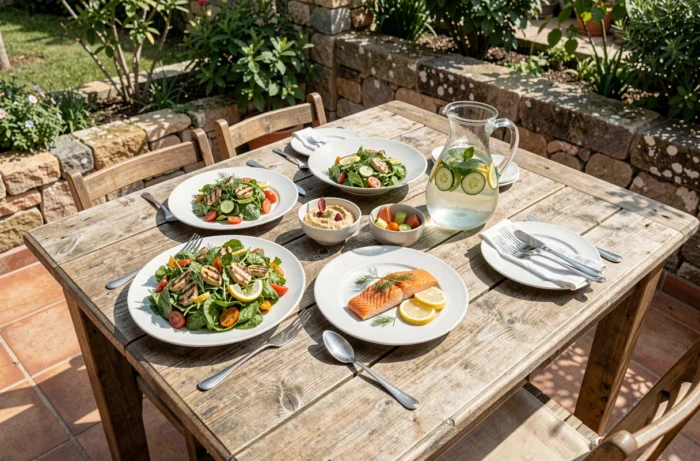
Vegetable meal soup: a complete dish in under thirty minutes
Soup has a reputation for being a sad dish. This is a formulation error: a well-constructed soup is a complete meal, not a side dish.
The principle is simple. Start with a base of fiber-rich vegetables (cabbage, spinach, zucchini), add a source of protein, and finish with a textural element.
Cauliflower velouté with roasted chickpeas
Cook cauliflower in vegetable broth with a chopped onion. Blend everything until smooth. Meanwhile, roast drained chickpeas in the oven with cumin and paprika, without oil, until they become crunchy.
Roasted chickpeas add protein and a crunchy texture to a velouté that would otherwise be monotonous. Serve with a few fresh coriander leaves.
Zucchini and spinach soup with fresh cheese
Zucchini and spinach cooked together create a naturally creamy velouté. A spoonful of light fresh cheese, added off the heat, provides creaminess without heaviness. The fresh cheese melts into the hot soup and convincingly replaces cream.
The total preparation time does not exceed thirty minutes, including cooking. This type of meal soup stores easily and reheats well the next day.
Hearty salad: the combinations to favor
A light salad that leaves you hungry two hours later is an unbalanced salad. The challenge is to assemble ingredients that combine fiber, protein, and a bit of fat to prolong satiety.
Here are the combinations that work:
- Quinoa or lentils as a base, rather than just lettuce, for a supply of plant-based protein and fiber that keeps you full for longer
- Varied raw vegetables (tomatoes, cucumber, radishes, shredded red cabbage) for volume and micronutrients, with almost no calories
- A lean animal protein (grilled chicken, hard-boiled egg, canned tuna) or a small amount of cheese to complete the nutritional profile
- A homemade dressing made with mustard, vinegar, and a teaspoon of olive oil, which provides enough fat to absorb the fat-soluble vitamins from the vegetables
Why favor quinoa or lentils over white rice? Because their fiber and protein content is significantly higher. A salad of green lentils with raw spinach, crumbled goat cheese, and a lemon vinaigrette makes a complete evening meal.
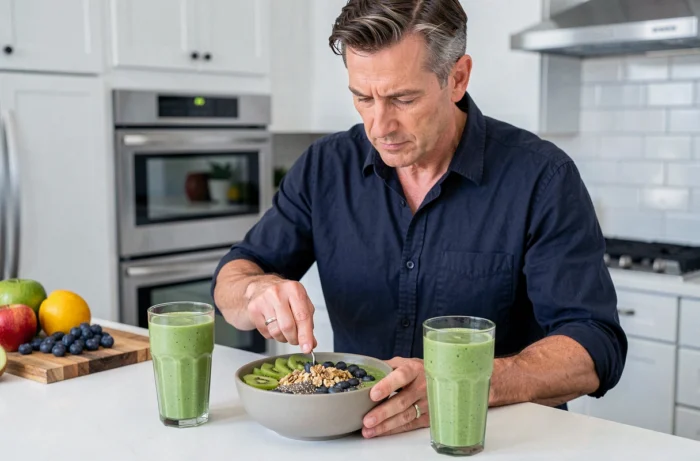
Light evening meal: two quick low-preparation recipes
In the evening, the main constraint is not a lack of ideas, but a lack of time and energy. An effective light dinner can be prepared in under twenty minutes with basic ingredients.
Omelette with crunchy vegetables
Beat two eggs with a pinch of salt. Sauté diced zucchini, sliced mushrooms, and a few spinach leaves in a non-stick pan. Pour the eggs over and let cook on low heat.
The vegetable omelette has an advantage that many light dishes do not have: it can be made with whatever you have in the fridge. Leftover grilled vegetables, fresh herbs, a bit of grated cheese, it all works.
Fish en papillote with zucchini and thyme flowers
Place a white fish fillet on a sheet of parchment paper. Add thin slices of zucchini, fresh thyme (the flowers if possible), and a drizzle of lemon juice. Close the papillote and bake for about fifteen minutes.
Cooking en papillote concentrates the flavors without requiring fat. The fish remains tender thanks to the trapped steam, and the zucchini cooks in its own juice.
Light seasoning: what makes the difference between bland and flavorful
Reducing fats in a recipe poses no taste problem if the seasoning compensates. There are many ingredients that add flavor without significant calories:
- Fresh herbs (basil, coriander, mint, chives) add freshness and aromatic complexity
- Spices (cumin, smoked paprika, turmeric, Espelette pepper) transform an ordinary dish into a memorable one
- Acidic condiments (lemon, balsamic vinegar, mustard) stimulate the taste buds and give an impression of richness
A plate of steamed vegetables seasoned with lemon, garlic, cumin, and fresh coriander is nothing like a diet meal. It’s simply a meal that happens to be light.
The lasting light recipe is one that you want to make again. No dietary constraint holds if the dish ends up in the trash. Focusing on cooking techniques that reveal the natural taste of foods, combining the right ingredients for satiety, and perfecting the seasoning: these three reflexes are enough to sustainably transform your meals without thinking of it as an effort.