
When ordering an item online, choosing standard delivery, and three days later the package arrives at the neighbor’s, damaged, without notification. This scenario remains common because most buyers only pay attention to the delivery service when it malfunctions. Using an online delivery service effectively means intervening upstream, right from the order page, to reduce the risks of delays, loss, or extra costs.
Check customer reviews on specialized platforms before ordering
Even before confirming a cart, one can consult the pages dedicated to carriers on platforms like Trustpilot. These listings compile reviews that can be filtered by country and type of service (standard parcels, express, grocery deliveries). They are continuously updated and provide a more reliable picture than the three stars displayed on the merchant’s site itself.
The useful reflex: search for the name of the carrier proposed at checkout, not that of the e-merchant. A site may have excellent product ratings but work with a poorly rated delivery provider. Checking the carrier and not just the store helps avoid unpleasant surprises on the last mile.
When hesitating between two stores offering the same product, it is often the quality of the delivery service that makes the difference. For everything you need to know about www labonne livraison, some pages detail how these services work and the criteria to watch out for.
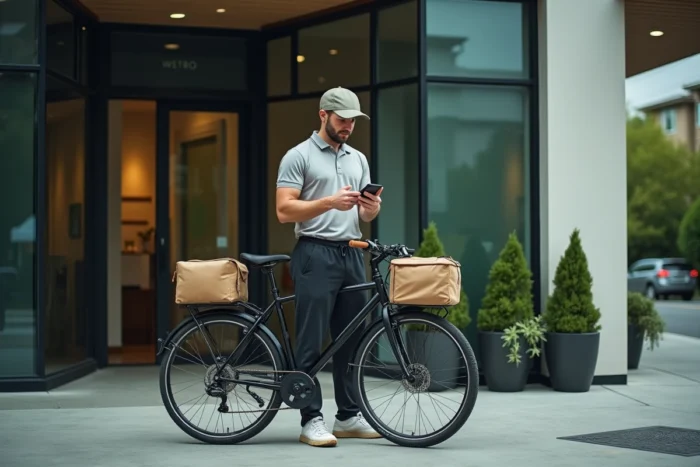
Delivery options at checkout: what deserves your attention
The majority of cart abandonments related to delivery do not stem from price alone. They arise from a lack of clarity regarding the available options. When a site displays several shipping methods, there is a tendency to choose the cheapest without reading the terms. That’s where the problems begin.
Announced delivery time vs. actual delivery time
The displayed time generally corresponds to the transport time, not the preparation time. A “delivered in 48 hours” can become five business days if the order preparation takes 72 hours. Looking at the total time, including preparation, avoids disappointments.
Pickup point, automated locker, or home delivery
Each mode has its practical constraints:
- The pickup point offers flexible hours but requires traveling, sometimes several hundred meters. Check the opening hours before confirming.
- The automated locker works on a self-service basis, often accessible late in the evening, but the size of the locker limits the volume of the package.
- Home delivery remains the most comfortable if someone can receive the package. Without anyone present, the delivery person leaves a notice and the time resets.
Choose the mode that corresponds to your actual schedule, not the one you wish you had.
Package tracking and notifications: set up alerts that really matter
A customer checks the tracking status of their order several times between purchase and receipt. Most carriers offer notifications via email or SMS, but they must be activated correctly.
Providing a mobile phone number at checkout triggers SMS alerts from most providers. These alerts notify about the delivery person’s arrival, often with a reduced time slot. Without a mobile number, one receives an email that sometimes arrives after the delivery attempt.
Some services allow rescheduling the delivery directly from the tracking link. You can change the date, redirect to a pickup point, or request a drop-off at a neighbor’s. This flexibility only exists if you access the tracking before the first attempt, not after.
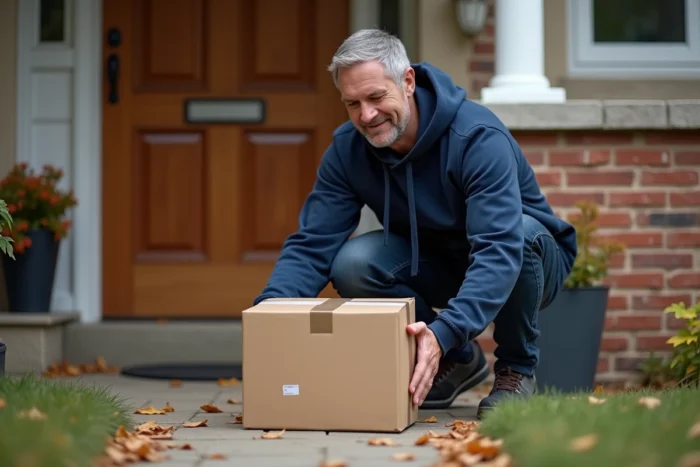
What to do when tracking is stuck
A status that does not change for more than two business days after shipping indicates a problem. Responses vary on this point depending on the carriers, but the process remains the same: first contact the customer service of the e-merchant (they are the order giver), not the carrier directly. The merchant has access to priority complaint tools that the final recipient does not.
Return policy: read the terms before purchase, not after
This is rarely considered at the time of ordering, and that’s a mistake. The return conditions determine the actual cost of delivery. A free return offsets a higher shipping rate. A paid return of ten euros turns an impulsive purchase into a bad deal.
Three points to check before confirming:
- The withdrawal period (the legal minimum in France is fourteen days, but some sites extend it).
- Who bears the return costs: the customer or the merchant.
- The refund method: store credit, bank refund, or exchange only.
A site that clearly displays its return policy on the product page (and not just in the T&Cs) inspires more trust. It is also an indirect indicator of the reliability of its delivery service: a merchant transparent about returns generally manages shipments better.
Delivery charges: understand what you are really paying for
Free delivery does not exist. Its cost is integrated into the product price or compensated by a minimum order threshold. The most cost-effective reflex is to compare the total price (product + delivery) between two sites rather than focusing on the mention “free delivery.”
Shipping rates vary based on the volumetric weight of the package, not just its actual weight. A lightweight but bulky item can sometimes cost more to ship than a heavy and compact object. When a site offers several carriers with different prices, it is often this distinction that explains the gap.
Combining purchases into a single order reduces costs per item and decreases the number of deliveries, which also limits the risks of missing packages.
Using an online delivery service reliably does not require logistics expertise. It requires reading what most buyers skim over: the name of the carrier, the total time, tracking options, and the return policy. These four checks take less than a minute at checkout and radically change the receiving experience.