
A regular smoker of Marlboro Light pushes the door of his tobacco shop in 2026 and no longer finds his usual pack in the display. The tobacconist offers him a Marlboro Gold, sometimes a Marlboro White Fresh, without really explaining the difference. This ambiguity is not an accident: it results from a regulatory and commercial shift that reshapes the offer of so-called light cigarettes in France.
Marlboro Gold, White Fresh, Light: what the name changes conceal
The term “Light” on a pack of cigarettes has been banned in Europe since the tobacco directive of 2014. Philip Morris has therefore renamed its ranges: Marlboro Gold replaces Marlboro Light, while Marlboro White Fresh targets fans of light menthol, which has also been banned for sale in its classic form since 2020.
One might think that it’s all the same, just a simple coat of paint on the packaging. Opinions vary on this point. Some regular smokers perceive a difference in draw or taste between the old Light and the current Gold, while others note none. What is certain is that the chemical composition does not have to be “lightened” to bear the name Gold: the term does not guarantee a lower tar or nicotine level.
To learn everything about Marlboro Light and their evolution in tobacco shops, one must first understand this renaming mechanism, which is not trivial: it allows manufacturers to maintain a “premium light” segment without violating regulations on misleading descriptors.
Price and availability of Marlboro in France as of June 1, 2026
As of June 1, 2026, a pack of 20 Marlboro Red or Gold is priced at €13.50 in tobacco shops. This price is set by customs decree, with scheduled updates several times a year (February, March, June, September, November 2026, then January 2027).
Several cigarette references were removed from sale in 2026. Brands like Camel, Fleur du Pays, or certain Chesterfield variations are disappearing from price lists. For Marlboro, recent reports no longer mention the “Light” reference: only the names Gold and Red appear in the approval decrees.
Specifically, if you ask your tobacconist for a “Marlboro Light,” you will receive a Marlboro Gold, at the same price as the Red. The price distinction between “light” and “strong” versions of the same premium brand has disappeared.

Tobacco regulation 2026: what changes for smokers in France
The year 2026 marks a notable tightening of French anti-tobacco policy. Since April 1, 2026, new smoking bans have come into effect in several contexts, particularly on terraces and certain beaches, according to a project put forward by the government.
On the taxation side, the strategy relies on gradual increases throughout the year. The stated goal is to make the price of the pack sufficiently discouraging to reduce consumption, particularly among young people.
Two points deserve the attention of smokers looking for alternatives:
- The 2026 finance bill has ruled out the tax on e-liquids that was being considered, stabilizing the regulatory framework for vaping for now.
- Nicotine pouches (white snus) have been banned in France since April 1, 2026, as confirmed by the Norwegian embassy. This substitution option is therefore closed.
- Heated tobacco products remain available but are subject to the same tax increases as traditional cigarettes.
The regulatory landscape is evolving faster than purchasing habits. A product legal in January can change status in April, complicating planning for transitioning smokers.
Distinguishing a true nicotine alternative from mere marketing relabeling
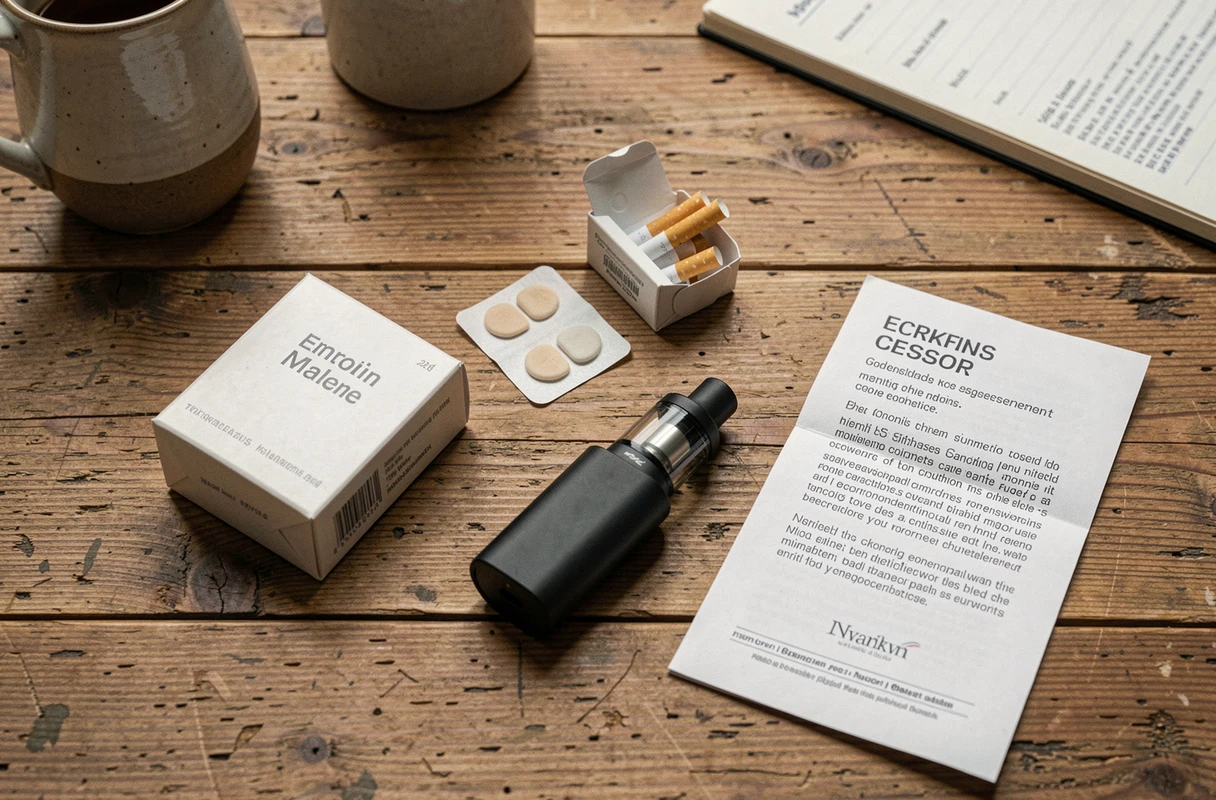
When moving from Marlboro Light to Marlboro Gold, you change the label. When switching to a vaping device or heated tobacco, you change the mode of consumption. The confusion between these two levels of change is the main trap in 2026.
Here are the concrete criteria for evaluating an alternative:
- The mode of combustion: a classic cigarette (Gold, Red, or other) burns tobacco at over 600 °C. Heated tobacco operates at a lower temperature. Vaping contains no tobacco at all.
- Transparency on nicotine: e-liquids display a nicotine level in mg/ml on the bottle. On a pack of cigarettes, this information has not appeared since the removal of the descriptors “Light,” “Mild,” or “Ultra Light.”
- Monthly cost: a pack a day at €13.50 amounts to over €400 per month. Vaping is significantly cheaper, even when accounting for the equipment.
- Regulatory stability: vaping was spared from the e-liquid tax in 2026. White snus, on the other hand, has been banned. Each alternative carries its own regulatory risk.
A smoker transitioning from Marlboro Light to Marlboro Gold does not objectively reduce anything. The term Gold does not imply any measurable reduction in harm. To achieve a real change, one must move away from combustible cigarette segments, not just change the product line name.
Premium cigarette market in 2026: a weakening demand
Market analyses published in 2026 indicate a weakness in demand for premium cigarettes, with Marlboro leading the way. Altria, the parent company of Philip Morris in the United States, missed its quarterly profit targets due to this erosion.
In France, the combination of successive price increases and the tightening of smoking bans in public spaces is pushing some consumers towards cheaper products or vaping. Entry-level brands and rolling tobacco are capturing an increasing share of the market, to the detriment of premium packs priced over €13.
This trend is not limited to Marlboro. The entire high-end segment is declining, which could accelerate the withdrawal of references and the merging of ranges in the coming months.
For smokers attached to Marlboro Light, the situation in 2026 boils down to a simple observation: the pack still exists under the name Gold, priced at €13.50, but neither the name nor the price guarantees what they once seemed to promise. The only variable that remains in the consumer’s hands is the choice of consumption mode.